

Where Ancestral Wisdom Meets Relational Grief Care.
Sagrada is a space for tending grief, death, and life’s many endings through ancestral wisdom, embodied practice, spiritual guidance, and a relational understanding of what it means to grieve.
For professionals and organizations:
Grief changes more than how you feel. It can change your relationship to everything.
To your body. To yourself. To the person who died. To family. To faith. To time. To the future you imagined. Sometimes, even to the ancestors.
So much of of what we were taught about grief asks us to focus on moving forward. And, perhaps you have already discovered that this is not enough. You may be carrying a loss that still feels present long after others expect you to be “better.” You may understand what happened but still feel it living in your body. You may be grieving someone with whom your relationship was complicated. You may be navigating an ending that did not involve a death at all, but changed the shape of your life.
Or you may simply know that you do not want to sever your relationship
with what has been lost in order to continue living.
At Sagrada, we begin with a different understanding.
Grief is a relationship we learn to tend.
At the heart of Sagrada is one enduring question:
What becomes possible when we learn to live in relationship with death, grief, our ancestors, and the many endings that shape a life?
This question lives beneath everything I do here, from private grief work and ancestral practice to workshops, professional education, and research.

Welcome, I'm Ìyá Ọyaladé, Dr. Minerva Arias.
I am a scholar-practitioner, Priestess of Ọya, and founder of Sagrada.
My work is spiritually guided by the ancestors and rooted in a cyclical understanding of life, death, and continuity. I bring this foundation into conversation with my scholarship and training in psychology, trauma studies, somatic and mind-body practices, yoga, breathwork, and end-of-life care.
Through Sagrada, I create spaces where grief can be tended as more than an emotional experience where we can listen to the body, honor the relationships that continue beyond death, remain in conversation with our ancestors, and meet life's endings as part of an ongoing cycle of relationship and transformation.
Ways to Enter the Work
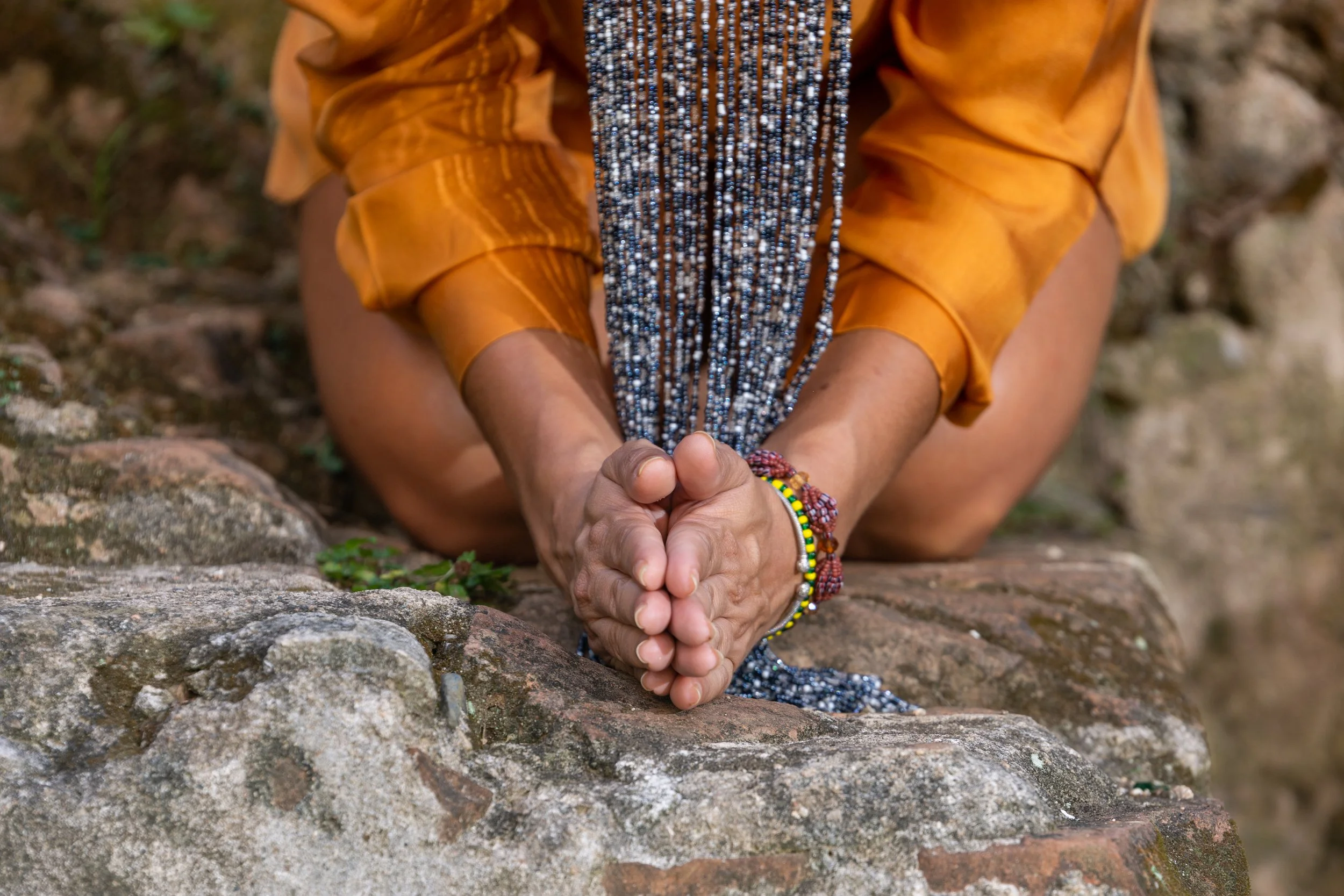
Study in Community
Resources for Reflection & Practice
-
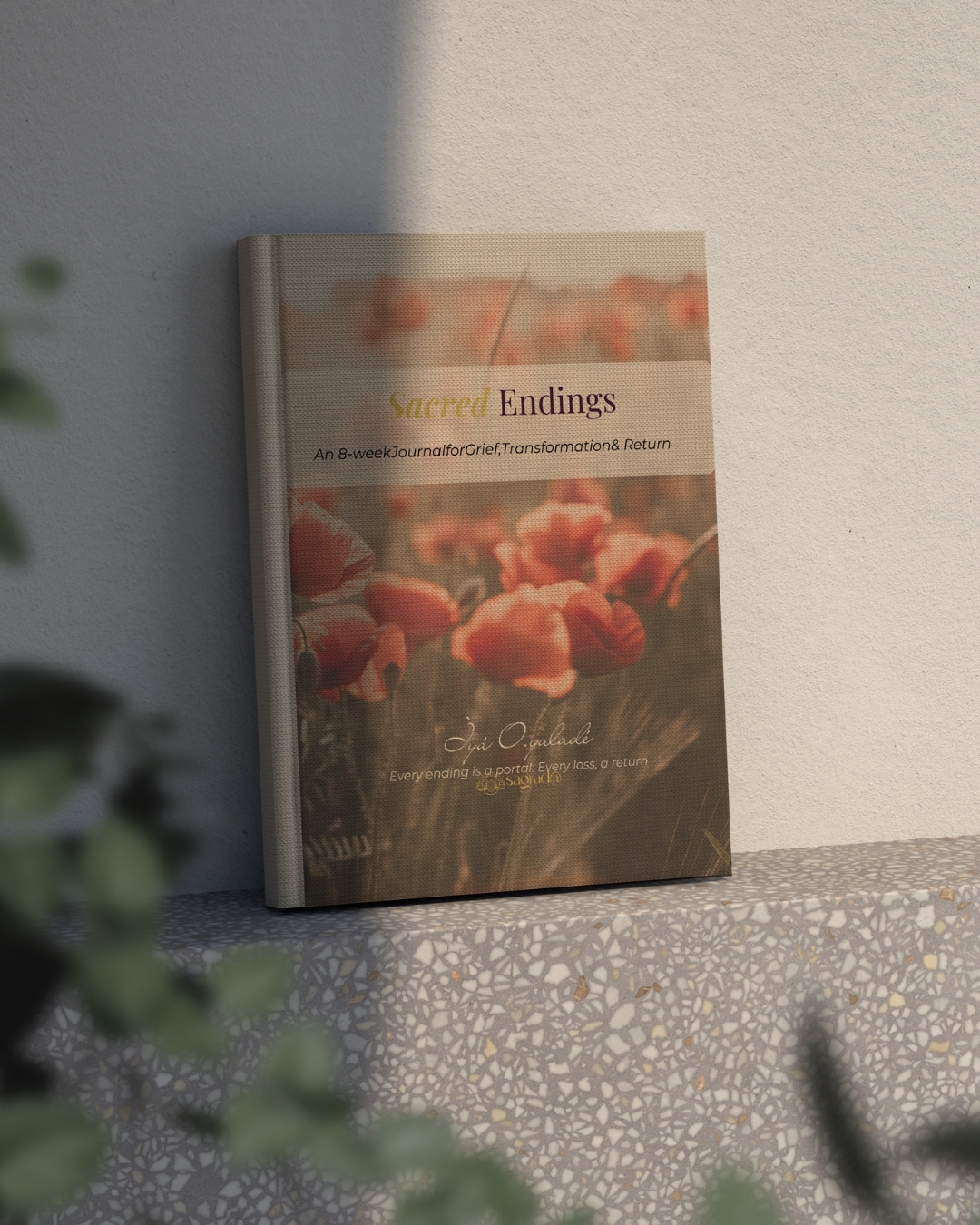
Digital Guides
Self-guided grief reflections and practice tools for the body, heart, and spirit.
-

Courses
Self-paced learning experiences rooted in ritual, meditation, reflections, and embodied practice.
-
Insights
Essays and reflections exploring grief, death, ancestry, and the many endings that shape our lives.
Reimagining Grief Through Ancestral Wisdom
Rooted in a Cyclical Postcolonial Indigenous methodology, my research centers the voices and lived experiences of Ifá and Lucumí practitioners to explore how ancestral relationships shape grief and bereavement.
By bringing Indigenous African diasporic ways of knowing into conversation with psychology, embodiment, and end-of-life care, this work challenges dominant Western understandings of grief and opens possibilities for more relational, culturally responsive approaches to loss and continuity.
This scholarship is the foundation of Sagrada and an invitation to imagine new possibilities for grief education, professional practice, and collective care.
In Their Own Words